
Empowering you with evidence-based practices
Epidemiology, Nutrition & Public Health Consulting
Independent consulting in epidemiology, nutrition science, and public health — for organisations that need their data analysis, programme evaluations, nutrition research, or funding applications to withstand scientific scrutiny.
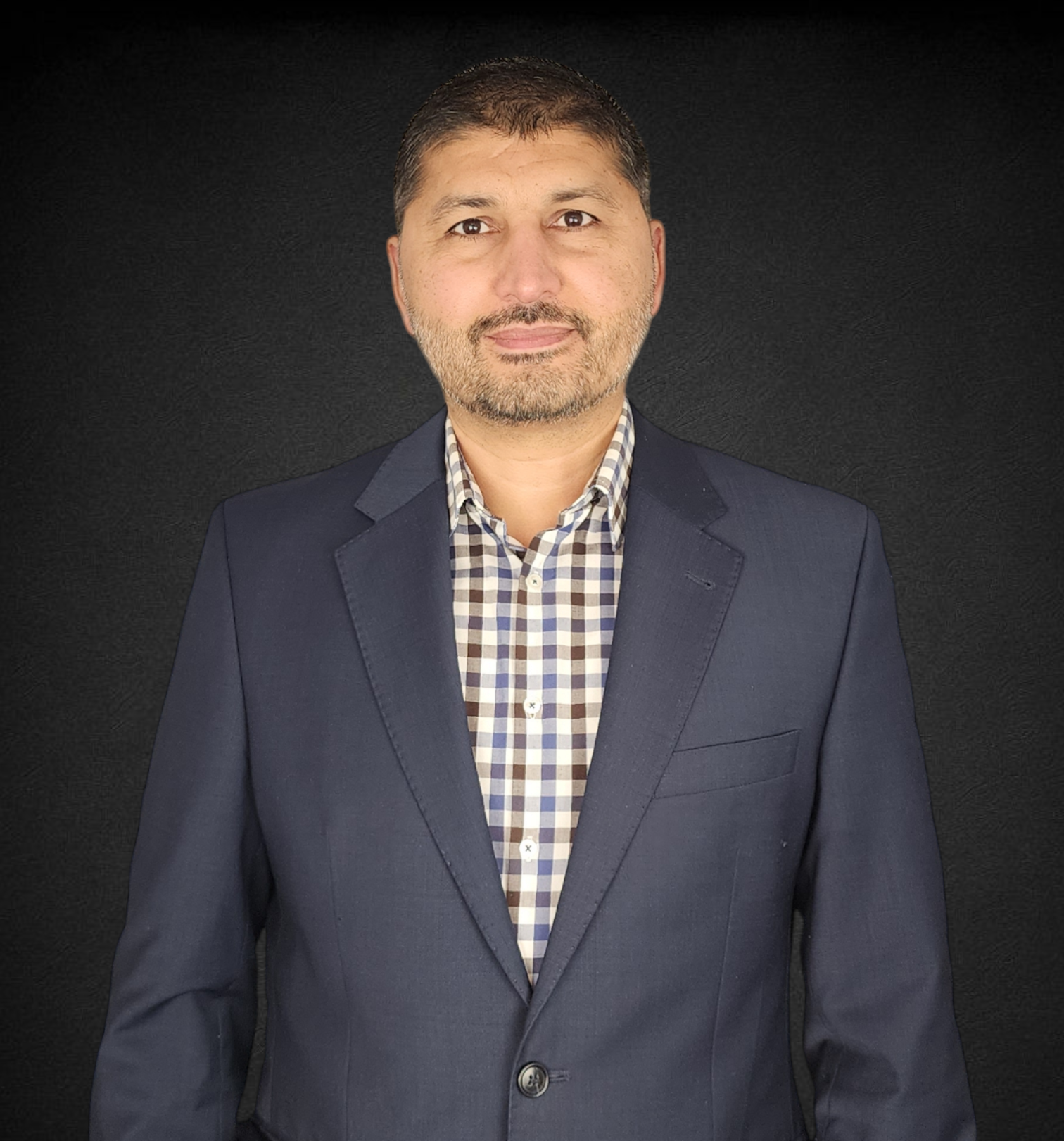
Dr. Khalid Iqbal
Bremen, Germany
15+
Years Experience
50+
Projects
3
Countries
5
Awards
What I Do
Services
A deliberately narrow offer, built around one core skill set rather than spread across unrelated activities.
01
Epidemiological Studies
Study design, statistical analysis plan, statistical data analysis, interpretation and scientific report writing.
02
Evidence Synthesis
Systematic literature review, quantitative and narrative evidence synthesis, and manuscript preparation to peer-review standard, for academic and industry clients.
03
Grant & Funding Proposals
Study design, sample-size and power calculations, and analysis-plan sections for project funding proposals.
04
Public Health Survey, Evaluation & Training
For development agencies and non-governmental organisations (NGOs), covering the full evaluation cycle:
Design and delivery of data collection and methods training; population health assessments and survey design; baseline and endline assessments; project and programme evaluations.
“Data carries the answer, but only if it was planned with foresight, collected with rigor, and analyzed with the right approach. Skip any one of those, and the data lies — convincingly.”
— Khalid
Portfolio
Selected Work

Dietary Pattern Research
EPIC-Potsdam cohort
Network models of food and nutrient intake in one of Europe’s major prospective cohorts — linking dietary patterns to type 2 diabetes, cardiovascular disease, and cancer risk. Published in BMC Medicine, European Journal of Nutrition, and Scientific Reports.

Field Nutrition Programmes
WHO · WFP · Nutrition International
A decade of programme work in Pakistan — micronutrient supplementation and fortification at provincial scale, food assistance programming, and population health assessments.

Evidence Synthesis
Systematic reviews & meta-analyses
Systematic reviews, meta-analyses, and methodological reviews to peer-review standard — including food group and mortality meta-analysis and biomarker data harmonization methodology.

Biostatistics & Study Design
Consulting projects
Study protocols, sample-size and power calculations, statistical analysis plans, and reproducible analyses in R and SAS — with commented code delivered for every project, for academic and industry clients.
About
The Art of Science
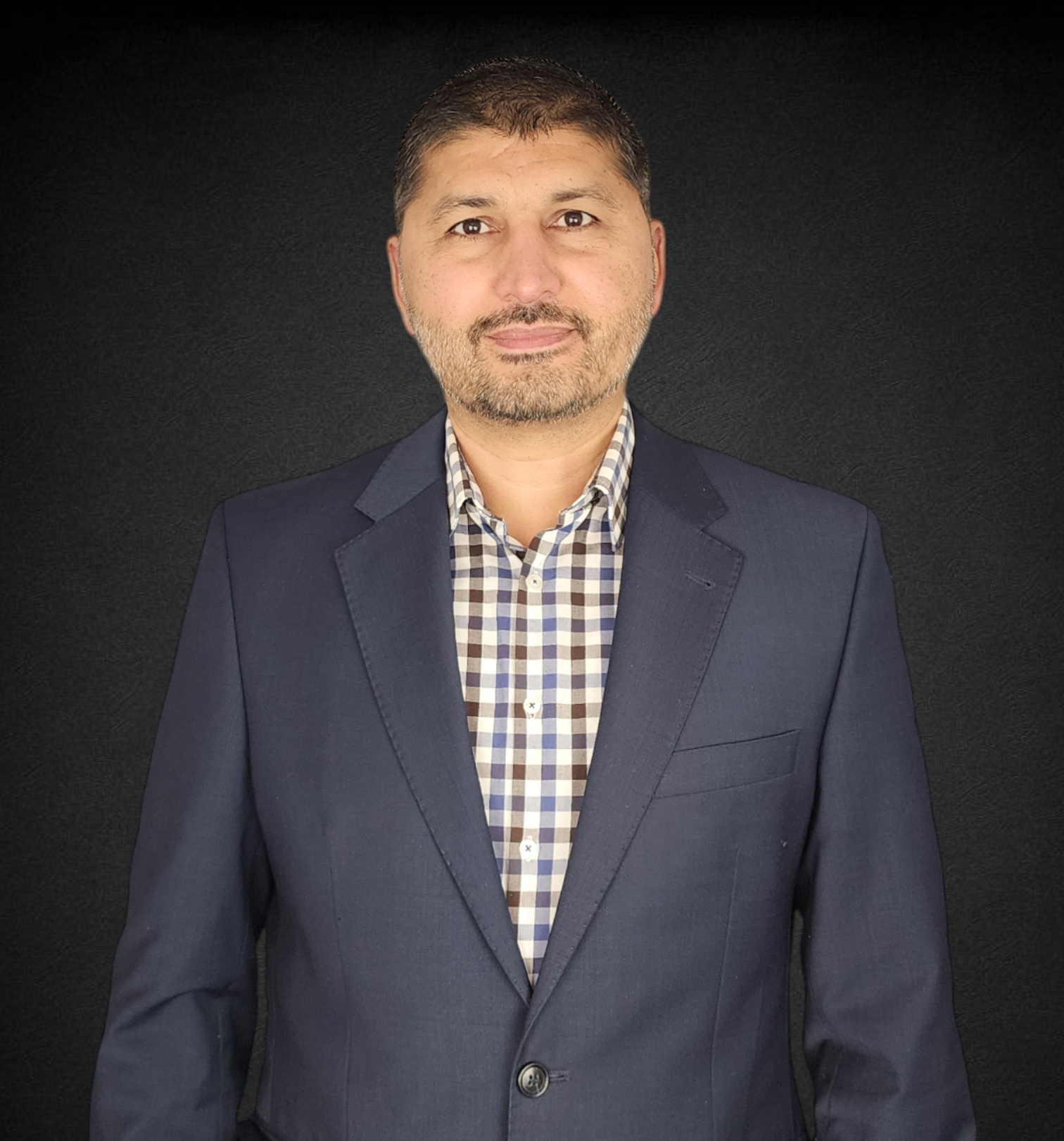
I’m Dr. Khalid Iqbal, an epidemiologist based in Bremen. My early career took me through nutrition programmes for the World Health Organisation, Nutrition International, the World Food Programme and population-based health status evaluations for EY Ford Rhodes Pakistan and other firms across Pakistan, where I learned what field and study data looks like before anyone cleans it up for a report. That experience shaped how I later approached my doctorate in nutritional epidemiology, and it still shapes how I work now.
Most of my projects involve the same basic problem: someone has data, or needs to collect some, and they need to know what it actually shows. I’ve spent years developing study methodologies and statistical analysis plans, preparing datasets for analysis including biomarker datasets, conducting systematic reviews, and writing up findings for clients and journals. None of that work matters much if the original study design was weak or the data collection was rushed, so that’s usually where I start.
I still think the best epidemiology looks unglamorous from the outside. It’s careful planning, honest and rigorous accounting of what the data can and can’t tell you, and writing conclusions that don’t outrun the evidence.
Based in
Bremen, Germany
Education
MSc (Hons), MS Epi, DrPH